
جودة وإنتاج مصنع حليب أطفال فرنسي — لماذا مصدر الحليب يصنع الفرق؟ فريق فيلاك للتغذية | جودة وإنتاج | 7 دقائق للقراءة حين يتعلق الأمر بـحليب الأطفال، لا يكفي أن يكون المنتج غنياً بالفيتامينات على الورق — بل يجب أن يبدأ بمصدر حليب خام عالي الجودة. مصنع حليب الأطفال الذي تختاره لطفلك يؤثر مباشرة في جودة ما يصله في كل رضعة. في هذا المقال، نشرح لماذا يختار فيلاك الحليب الفرنسي تحديداً — وكيف ينعكس ذلك على صحة طفلك ونموه. ما الفرق بين حليب الأطفال من حيث المصدر؟ معظم أنواع حليب الأطفال للرضع تُصنع من حليب البقر — لكن ليس كل حليب بقر متساوياً. جودة الحليب الخام تتأثر بعوامل عديدة منها: نوع العلف، ومساحة الرعي، ومستوى رعاية الأبقار، والمناخ، وصرامة معايير الإنتاج. الأبقار التي ترعى بحرية في مراعٍ خضراء طبيعية تُنتج حليباً أغنى بالعناصر الغذائية الطبيعية، وبأحماض دهنية أفضل تركيباً، وبمستويات أعلى من بعض الفيتامينات والمعادن مقارنةً بأبقار التربية المكثفة المقيّدة داخل المزارع. لماذا فرنسا تحديداً؟ تشتهر فرنسا عالمياً بكونها من أرقى مصادر الحليب الطبيعي في العالم، وذلك لأسباب عدة: المراعي الخضراء الوفيرة: تتلقى المناطق الريفية الفرنسية أمطاراً وفيرة وأشعة شمس تفوق 2000 ساعة سنوياً، مما يُنتج أعلافاً طبيعية ذات جودة استثنائية طوال العام. أيام الرعي المفتوح: تصل مدة رعي الأبقار في الهواء الطلق إلى أكثر من 270 يوماً في السنة — مقارنةً بأقل من 100 يوم في كثير من مزارع الألبان التقليدية. الكثافة المنخفضة: متوسط 62 بقرة لكل مرعى فقط، مما يُتيح مساحة كافية لكل حيوان ويُقلل من التوتر — وهو عامل مؤثر مباشرة في جودة الحليب. التراث العائلي: غالبية مزارعي الألبان الفرنسيين يُورّثون مزارعهم جيلاً بعد جيل، مما يعني أن الخبرة والعناية بالجودة تتراكم عبر عقود. الرقابة الصارمة: تُلزم لوائح الاتحاد الأوروبي مصانع حليب الأطفال بمعايير إنتاج وسلامة تتجاوز كثيراً ما هو مطلوب على المستوى الدولي. كيف يختار فيلاك حليبه الخام؟ فيلاك يعمل مع مزارع فرنسية معتمدة تلتزم بمعايير الرعي الطبيعي. الحليب الخام يخضع لفحوصات صارمة قبل قبوله في الإنتاج، وتشمل هذه الفحوصات: نسب البروتين والدهون، ومستوى البكتيريا، والمخلفات الكيميائية. أي دفعة لا تستوفي المعايير لا تدخل خط الإنتاج — ببساطة. هذا الالتزام بجودة المصدر هو أحد الأسباب الرئيسية التي تجعل فيلاك أفضل مصنع حليب أطفال بالنسبة للوالدين الذين يبحثون عن جودة حقيقية لا مجرد ادعاءات تسويقية. لمعرفة المزيد عن فلسفة فيلاك في الجودة، تفضل بزيارة صفحة من نحن. معايير الإنتاج في فيلاك لا يكفي الحليب الجيد وحده — طريقة التصنيع تُحدد ما إذا كانت العناصر الغذائية الطبيعية تصل سليمة إلى طفلك أم لا. فيلاك يعتمد نظام إنتاج يتجاوز متطلبات كل من: Codex Alimentarius — المعيار الغذائي الدولي الأكثر اعترافاً لوائح الاتحاد الأوروبي لحليب الأطفال — من أصرم المعايير التنظيمية في العالم يعتمد الإنتاج على: خطوط تصنيع آلية بالكامل لتجنب التلوث البشري فحص شامل لكل دفعة قبل التعبئة نظام تتبع كامل من المزرعة إلى المستهلك تعبئة في بيئات معقمة للحفاظ على العناصر الغذائية مقارنة بين مصادر الحليب الشائعة في حليب الأطفال المصدر الميزات الملاحظات الحليب الفرنسي (فيلاك) رعي حر، مناخ ممتاز، معايير أوروبية من أعلى معايير الجودة عالمياً الحليب الأوروبي العام لوائح صارمة، رقابة قوية جيد — الجودة تتفاوت بحسب المزرعة الحليب الأسترالي والنيوزيلندي رعي حر واسع، بيئة طبيعية جيد جداً — شائع في الأسواق الآسيوية حليب المزارع التقليدية إنتاج ضخم، سعر أقل أقل في بعض العناصر الطبيعية ما الذي يعنيه ذلك لطفلك عملياً؟ عندما تختار فيلاك لطفلك، أنت لا تختار مجرد علبة حليب — أنت تختار سلسلة كاملة من الجودة تبدأ من الحقول الفرنسية الخضراء، مروراً بمصنع يعمل بأعلى المعايير الدولية، وصولاً إلى كوب الرضعة في يد طفلك. هذا يعني: بروتينات أعلى جودةً وأسهل هضماً أحماض دهنية طبيعية بتركيب أقرب إلى حليب الأم غياب المبيدات الزراعية والمضادات الحيوية غير المرخصة طعم ورائحة طبيعية يتقبلها الرضيع بشكل أفضل خلاصة في عالم يمتلئ بخيارات حليب الأطفال، يبقى السؤال الأهم: من أين يأتي هذا الحليب وكيف يُصنع؟ فيلاك يُجيب على هذا السؤال بوضوح — مصنع حليب أطفال يعتمد على أفضل الحليب الفرنسي، ويصنع بمعايير تتجاوز المتطلبات الدولية، ليصل إلى طفلك بأعلى مستوى من النقاء والجودة. اكتشف مجموعة منتجات فيلاك الكاملة: فيلاك بيسك، فيلاك بريميوم، والتركيبات الخاصة والطبية. أو تواصل مع فريقنا لأي استفسار. جودة فرنسية في كل رضعة فيلاك — حليب أطفال فرنسي المصدر، مُصنَّع بمعايير أوروبية، متوفر في الإمارات. اكتشف فيلاك بريميوم من نحن الكلمات المفتاحية: مصنع حليب اطفال، افضل مصنع حليب، حليب اطفال فرنسي، حليب اطفال للرضع، فيلاك الإمارات

Blog
Baby Formula Stages Explained: Which Formula is Right for Your Baby’s Age?

Baby Feeding Guides Baby Formula Stages Explained: Which Formula is Right for Your Baby’s Age? By Feelac Nutrition Team | Baby Feeding Guides | 7 min read Walk into any pharmacy or supermarket in the UAE and you will find infant formula labelled Stage 1, Stage 2, Stage 3 — and sometimes even Stage 4. But what do these stages actually mean? Are they necessary? And what happens if you use the wrong one? This complete guide answers every question parents have about baby formula stages. Why Do Baby Formula Stages Exist? A baby’s nutritional needs change significantly between birth and three years of age. A newborn’s digestive system, kidney function, and nutrient requirements are completely different from those of a 12-month-old or a 2-year-old toddler. Stage-based formulas are designed to match these evolving needs — adjusting protein levels, mineral concentrations, and carbohydrate types as your baby grows. Using a formula that is designed for your baby’s specific age and stage is one of the simplest ways to ensure they are getting the right nutritional balance at the right time. Stage 1: Infant Formula (Birth to 6 Months) Stage 1 infant formula is designed for newborns from birth through to six months. It is nutritionally complete — meaning it can serve as the sole source of nutrition during this period when your baby is not yet eating solid foods. Key characteristics of a good Stage 1 formula include: High whey-to-casein protein ratio (similar to breast milk) for easy digestion Pure lactose as the primary carbohydrate — no sucrose or added sugars DHA and ARA for brain and eye development Essential vitamins A, C, D and minerals including iron, zinc and calcium No artificial flavours or colours Feelac Basic Stage 1 is a complete first infant formula with DHA, ARA and pure lactose, free from sucrose and artificial flavours. Feelac Premium Stage 1 adds GOS, FOS, Lutein and Nucleotides for parents seeking more advanced nutritional support from the very first feed. Can you use Stage 1 beyond 6 months? Yes — Stage 1 is suitable from birth and can continue to be used beyond six months if preferred. It will not harm your baby. However, Stage 2 is specifically designed to meet the increased nutritional demands that come with growth and the introduction of solid foods. Stage 2: Follow-On Formula (6 to 12 Months) Stage 2 follow-on formula is designed for babies aged six to twelve months, during the period when solid foods are being introduced alongside formula or breast milk. At this stage, babies begin to need more Iron, Zinc and Calcium to support rapid physical growth, developing motor skills, and the increased energy demands of a more active lifestyle. Key features of Stage 2 formula: Higher Iron content to prevent anaemia during a period of rapid growth Increased Zinc for immune support and physical development Additional Calcium for bone and teeth strengthening Continued DHA and ARA for ongoing brain development Slightly higher caloric density than Stage 1 Feelac Basic Stage 2 provides a clinically designed blend of Iron, Zinc, Calcium, DHA and ARA with boosted immunity support. Feelac Premium Stage 2 adds naturally active probiotics and expert-recommended DHA fatty acids for optimal brain function and gut health. Is Stage 2 mandatory? No — Stage 2 is not nutritionally required. If your baby is thriving on Stage 1, there is no medical reason to switch. However, Stage 2 is formulated to better align with the nutritional needs of older, more active babies. Stage 3: Growing-Up Formula (12 to 36 Months) Stage 3 growing-up formula is designed for toddlers from 12 to 36 months — a period of rapid language development, increased physical activity, and the transition to a full family diet. At this age, toddlers often become picky eaters, making it harder to ensure they are receiving all essential nutrients from food alone. Stage 3 formula helps bridge the nutritional gap by providing: DHA for continued brain and cognitive development Iron, Zinc and Vitamin D to support growing bones and immune function Essential B vitamins for brain and nervous system health Calcium for teeth and bone density A nutritional safety net for selective or picky eaters Feelac Basic Stage 3 and Feelac Premium Stage 3 both provide complete growing-up nutrition for toddlers aged one to three, with the Premium range offering the additional GOS, FOS and probiotic support that is particularly valuable during this stage of rapid immune and digestive system development. Summary Table: Feelac Formula Stages at a Glance Stage Age Feelac Basic Feelac Premium Key Nutrients Stage 1 0–6 months Feelac Basic 1 Feelac Premium 1 DHA, ARA, Pure Lactose, High Whey Protein Stage 2 6–12 months Feelac Basic 2 Feelac Premium 2 DHA, ARA, Iron, Zinc, Calcium, Probiotics (Premium) Stage 3 12–36 months Feelac Basic 3 Feelac Premium 3 DHA, Iron, Zinc, Calcium, B Vitamins, GOS/FOS (Premium) What About Babies with Special Needs? Standard stage-based formulas are designed for healthy, full-term babies. For babies with specific medical needs, Feelac offers a dedicated range of Special and Medical Formulas including: Feelac Premature — for premature and low birth weight babies (0–12 months) Feelac LF — lactose-free formula for babies with lactose intolerance (0–12 months) Feelac HA — amino acid formula for babies with cow’s milk protein allergy (0–12 months) Feelac PKU — phenylalanine-free formula for babies with phenylketonuria (0–12 months) All medical formulas should be used under the guidance of a paediatrician or clinical nutritionist. Common Questions About Formula Stages Can I mix Stage 1 and Stage 2 together? This is not recommended. Each stage is calibrated to deliver the right levels of specific nutrients for that age group. Mixing stages would alter the balance of these nutrients in unpredictable ways. Stick to one stage at a time. How do I transition between stages? Most babies transition smoothly without any gradual mixing. You can switch to the next stage when your baby reaches the recommended age. If your baby shows any signs of digestive discomfort during the… Continue reading Baby Formula Stages Explained: Which Formula is Right for Your Baby’s Age?
أفضل حليب أطفال للرضع ينصح فيه الأطباء
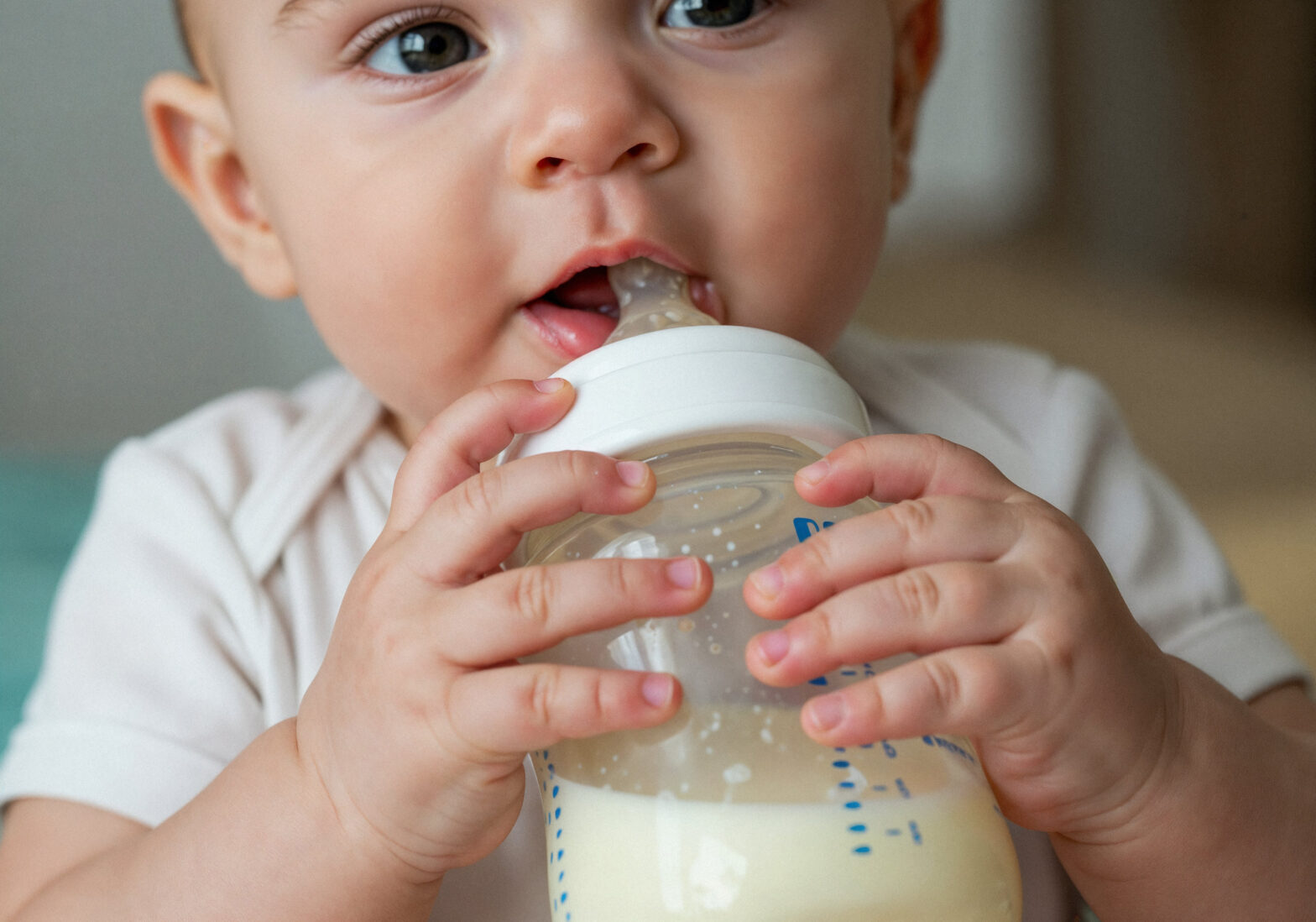
تغذية الرضع أفضل حليب أطفال للرضع ينصح فيه الأطباء فريق فيلاك للتغذية | تغذية الرضع | 8 دقائق للقراءة يُعدّ اختيار أفضل حليب أطفال للرضع من أهم القرارات التي يتخذها الوالدان في الأشهر الأولى من حياة طفلهما. فمع تعدد الخيارات المتاحة في الإمارات والسوق العربي، قد يشعر كثير من الآباء والأمهات بالإرهاق والحيرة. في هذا المقال، نستعرض ما ينصح به الأطباء وخبراء التغذية عند اختيار حليب الأطفال للرضع، ونوضح ما يميز فيلاك عن غيره من الماركات المتوفرة. لماذا يهمّ اختيار حليب الأطفال الصحيح؟ الـ1000 يوم الأولى من حياة طفلك — بدءاً من الحمل حتى نهاية السنة الثانية — هي الفترة الأكثر حسماً في نموه الجسدي والعقلي. خلال هذه المرحلة، يحتاج دماغ الطفل إلى تغذية دقيقة وشاملة لدعم تطوره العصبي والمعرفي. الحليب الأم هو الخيار الأمثل دائماً، وهذا ما تؤكده منظمة الصحة العالمية. غير أن حليب الأطفال للرضع يُمثّل البديل الغذائي الأكثر اكتمالاً عندما لا يكون الرضاعة الطبيعية ممكنة أو كافية. يقول معظم الأطباء وخبراء التغذية إن الحليب الصناعي الجيد يجب أن يستوفي معايير صارمة تشمل: التركيبة الغذائية، ومصدر الحليب الخام، وغياب المضافات الضارة، والمطابقة للمعايير الدولية. ما الذي ينصح به الأطباء عند اختيار حليب الأطفال؟ عندما يسأل الوالدان طبيبهم عن أفضل حليب أطفال، عادةً ما يركّز الأطباء على المعايير التالية: 1. وجود DHA وARA DHA (حمض الدوكوزاهيكسانويك) وARA (حمض الأراكيدونيك) هما حمضان دهنيان أساسيان يُوجدان بشكل طبيعي في حليب الأم. يدعمان تطور الدماغ والعيون وجهاز الأعصاب. أي حليب أطفال جيد للرضع يجب أن يحتوي على هذين العنصرين بنسب مدروسة. جميع منتجات فيلاك بيسك وفيلاك بريميوم تحتوي على DHA وARA بمعدلات تتوافق مع المتطلبات الأوروبية الصارمة. 2. مصدر الحليب ينصح الأطباء باختيار حليب أطفال مصنوع من حليب بقر عالي الجودة، ويُفضَّل أن يكون من مزارع طبيعية تعتمد الرعي الحر. فيلاك يعتمد حصرياً على الحليب الخام الفرنسي المصدر من مراعٍ خضراء تمتد على مساحات واسعة في فرنسا، حيث ترعى الأبقار في الهواء الطلق لأكثر من 270 يوماً في السنة — مما ينتج حليباً أغنى بالعناصر الغذائية وأعلى جودةً. 3. خلو التركيبة من السكريات المضافة في المرحلة الأولى يُحذّر الأطباء من أي حليب أطفال للرضع يحتوي على السكروز (سكر المائدة) أو نكهات مصطنعة في المراحل الأولى (0-6 أشهر). فيلاك بيسك ستيج 1 وفيلاك بريميوم ستيج 1 خاليان تماماً من السكروز والنكهات الاصطناعية. 4. المطابقة للمعايير الدولية يرشّح الأطباء عادةً الماركات التي تستوفي أو تتجاوز معايير الاتحاد الأوروبي ومعايير Codex Alimentarius الدولية للغذاء. نظام الجودة في فيلاك يفوق هذه المعايير ويشمل إنتاجاً آلياً كاملاً مع فحص شامل وتتبع كامل. 5. سهولة الهضم حليب الأطفال الجيد يعتمد على مصادر بروتين عالية الجودة مثل مسحوق الشرش المقطر (Demineralized Whey)، مع نسبة عالية من بروتين الشرش مقارنة بالكازين — تماماً كما في حليب الأم. هذه التركيبة تجعله سهل الهضم ومريحاً لمعدة الرضيع الحساسة. فيلاك — حليب أطفال فرنسي المصدر، متاح في الإمارات فيلاك هو مصنع حليب أطفال يعتمد على أفضل الحليب الفرنسي ويقدم مجموعة متكاملة من التركيبات لتلبية احتياجات كل طفل: فيلاك بيسك — تركيبة أساسية متكاملة للرضع من 0 إلى 36 شهراً، في ثلاث مراحل تغذوية متتالية. غنيّ بـ DHA وARA والحديد والزنك والكالسيوم. فيلاك بريميوم — تركيبة متقدمة تحتوي على GOS وFOS وDHA وARA ولوتين ونيوكليوتيدات لدعم تطور الدماغ والعيون والجهاز المناعي. مثالية للآباء الذين يبحثون عن أفضل حليب أطفال بمزايا تغذوية متطورة. فيلاك الخاص والطبي — يشمل تركيبات متخصصة للرضع الخدّج، وحساسية اللاكتوز، والحساسية من بروتين الحليب، وفينيل كيتونوريا (PKU). مقارنة بين مراحل فيلاك بيسك المرحلة العمر الاسم المزايا الرئيسية ستيج 1 0–6 أشهر فيلاك بيسك 1 DHA وARA، لاكتوز نقي، بروتين شرش عالي، خالٍ من السكروز ستيج 2 6–12 شهراً فيلاك بيسك 2 DHA وARA مع الحديد والزنك والكالسيوم المعزّز ستيج 3 12–36 شهراً فيلاك بيسك 3 تركيبة متكاملة لنمو الأطفال الصغار أسئلة يطرحها الآباء كثيراً هل يمكن الجمع بين الرضاعة الطبيعية وحليب الأطفال؟ نعم، ويُعدّ هذا ما يُعرف بـ”التغذية المزدوجة”. توصي معظم الجمعيات الطبية بمواصلة الرضاعة الطبيعية قدر الإمكان مع إضافة حليب الأطفال عند الحاجة — سواء بسبب نقص الإدرار أو ضرورة عودة الأم إلى العمل. في هذه الحالة، يُنصح بتحضير الحليب الصناعي بشكل منفصل ثم الإطعام من نفس الجلسة. متى أنتقل من مرحلة لأخرى؟ الانتقال يجب أن يتم وفقاً لعمر الطفل وتطوره الغذائي. فيلاك يوفر مراحل واضحة ومتتالية تُغطي الاحتياجات التغذوية من الميلاد حتى سن 3 سنوات. إذا كنت غير متأكد، تواصل معنا للحصول على نصيحة مخصصة. هل حليب الأطفال الفرنسي أفضل؟ فرنسا تشتهر بمعايير رعاية الألبان الصارمة وجودة الحليب العالية. إضافةً إلى ذلك، تُلزم لوائح الاتحاد الأوروبي جميع مصنّعي حليب الأطفال بمعايير غذائية وسلامة أعلى بكثير مما هو مطلوب في كثير من دول العالم. لهذا السبب تحديداً اختارت فيلاك الحليب الفرنسي أساساً لجميع منتجاتها. نصيحة الختام لا يوجد حليب أطفال مثالي واحد يناسب كل طفل — لكن الحليب المثالي لطفلك هو الذي يلبي احتياجاته الغذائية الفعلية، ويوافق مرحلته العمرية، ويصدر من مصنع حليب أطفال موثوق يلتزم بأعلى معايير الجودة والسلامة. إذا كنت تبحث عن أفضل حليب أطفال للرضع في الإمارات، فإن فيلاك يجمع بين المصدر الفرنسي الراقي، والتركيبة الغذائية المتكاملة، والخبرة العلمية الممتدة لأكثر من عقد في مجال تغذية الرضع. اكتشف منتجات فيلاك حليب أطفال فرنسي المصدر، غني بـ DHA وARA و13 فيتاميناً أساسياً. للرضع من 0 إلى 36 شهراً. فيلاك بيسك فيلاك بريميوم تواصل معنا الكلمات المفتاحية: حليب اطفال، افضل حليب اطفال، حليب اطفال للرضع، أفضل حليب اطفال للرضع، مصنع حليب اطفال، حليب أطفال الإمارات، فيلاك
Lactose-Free Baby Formula: Does My Baby Need It and How Do I Know?

Baby Feeding Guides Lactose-Free Baby Formula: Does My Baby Need It and How Do I Know? By Feelac Nutrition Team | Baby Feeding Guides | 7 min read Many parents in the UAE notice their baby becoming fussy, gassy, or uncomfortable after feeds — and wonder whether lactose intolerance could be the cause. This guide explains what lactose intolerance in babies actually looks like, when a lactose-free baby formula is the right choice, and how to transition safely. What is Lactose and Why Does It Matter? Lactose is the natural sugar found in both breast milk and most standard cow’s milk-based infant formula milk powder. It is broken down in the gut by an enzyme called lactase. When a baby does not produce enough lactase — or temporarily loses the ability to produce it — undigested lactose passes into the large intestine, causing gas, bloating, and discomfort. It is important to understand that true lactose intolerance in newborns is rare. Most cases in infants are secondary — meaning they are triggered by a gut infection (like a stomach virus) or another underlying condition, and are usually temporary. Permanent congenital lactase deficiency is extremely uncommon. Signs Your Baby May Have Lactose Sensitivity Not every gassy or fussy baby has lactose intolerance — but if you notice a consistent pattern of the following symptoms after feeding, it may be worth speaking to your paediatrician: Persistent bloating and a hard, swollen belly after feeds Excessive, foul-smelling gas Watery, frothy stools — often greenish in colour Visible discomfort or crying during or shortly after feeding Loose stools that worsen over time Poor weight gain despite regular feeding Important: These symptoms can also be caused by other issues such as cow’s milk protein allergy, reflux, overfeeding, or colic. Always consult your doctor before switching to a lactose-free infant formula. Lactose Sensitivity vs Cow’s Milk Protein Allergy — What’s the Difference? These two conditions are often confused, but they are very different: Lactose sensitivity is a digestive issue — the baby cannot properly break down lactose sugar. It is not an immune response. A lactose-free formula resolves it. Cow’s milk protein allergy (CMPA) is an immune response to the proteins in cow’s milk (casein and whey). Symptoms can include skin rashes, vomiting, blood in stools, and respiratory symptoms. A lactose-free formula is not sufficient for CMPA — a hypoallergenic or amino acid-based formula is required. If your baby shows signs of an allergic reaction — particularly skin reactions, persistent vomiting, or blood in stools — speak to your paediatrician immediately. For babies with confirmed CMPA, Feelac HA provides complete nutrition through free amino acids, making it suitable even for the most severe cases. What is Lactose-Free Baby Formula? A lactose-free infant formula replaces lactose with an alternative carbohydrate — most commonly maltodextrin or glucose syrup — that is easier for a sensitive gut to process. The formula retains all other essential nutrients including protein, fats, vitamins, minerals, DHA and ARA, meaning your baby still receives complete, balanced nutrition. Feelac LF is a complete lactose-free baby formula suitable for infants from 0 to 12 months. It can be used as the sole source of nutrition from birth to six months, and as part of a mixed diet from six to twelve months. It contains DHA as required by infant formula regulations, ensuring your baby’s brain and eye development are fully supported even without lactose. How to Switch to Lactose-Free Formula If your paediatrician has confirmed that your baby needs a lactose-free infant formula, here is how to make the switch smoothly: Switch completely, not gradually. Unlike standard formula transitions, switching to a lactose-free formula should be done all at once so that symptoms can be properly monitored and assessed. Give it at least 2 weeks. It can take up to two weeks for symptoms to fully resolve. Do not switch back after just a few days if improvement is not immediate. Keep a feeding diary. Note your baby’s symptoms, stool consistency, and comfort level each day. This is useful information to share with your doctor at the follow-up appointment. Follow up with your paediatrician. In most cases of secondary lactose intolerance, the condition resolves within a few weeks and your baby may be able to return to a standard formula. When Should a Baby Stay on Lactose-Free Formula Long Term? Most babies only need a lactose-free formula temporarily — typically following a gut infection or illness. However, babies with confirmed congenital lactase deficiency (a permanent, inherited condition) will need to remain on lactose-free nutrition indefinitely. Babies with this condition in the UAE can use Feelac LF from birth through the first year as a complete nutritional source, with the transition to appropriate lactose-free toddler nutrition planned in consultation with a paediatric dietitian. Can I Use Lactose-Free Formula as a Precaution? This is a question many parents ask. The short answer is: it is not recommended to switch to a lactose-free formula without a confirmed diagnosis. Lactose plays an important role in calcium absorption and supports the development of healthy gut bacteria. Removing it without medical reason may deprive your baby of these benefits unnecessarily. If you are unsure whether your baby’s symptoms are related to lactose, the best first step is always to speak to your paediatrician and, if appropriate, our team at Feelac can help guide you to the right formula for your baby’s specific needs. Final Thoughts Lactose intolerance in infants is less common than many parents believe, but when it does occur, a high-quality lactose-free baby formula can make an enormous difference to your baby’s comfort and wellbeing. The key is to get a proper diagnosis first, make the switch fully and consistently, and follow up with your doctor to track progress. Feelac’s range of Special and Medical Formulas — including Feelac LF, Feelac HA, and Feelac PKU — are designed to provide complete, clinically appropriate nutrition for babies with a wide range of special dietary needs. All are available in the UAE… Continue reading Lactose-Free Baby Formula: Does My Baby Need It and How Do I Know?
What is DHA and ARA in Baby Formula? Why Every Parent in UAE Needs to Know

Baby Nutrition What is DHA and ARA in Baby Formula? Why Every Parent in UAE Needs to Know By Feelac Nutrition Team | Baby Nutrition | 8 min read If you have recently started looking for the right baby milk formula in UAE, you have probably seen the letters DHA and ARA on almost every tin. But what do they actually do — and why are they so important for your baby’s development? In this guide, we break it all down in simple terms so you can make a confident, informed choice for your little one. What is DHA? DHA (Docosahexaenoic Acid) is an omega-3 long-chain fatty acid that plays a critical role in the development of your baby’s brain and eyes. It is one of the most abundant fatty acids found naturally in the brain and retina, making it an essential nutrient during the first years of life — a period of rapid neurological growth. Breast milk naturally contains DHA, and for babies who are formula-fed, it is vital that their infant formula milk powder includes it. In fact, DHA is a legally required ingredient in all infant formulas sold in the European Union, reflecting just how important it is considered to be in early childhood nutrition. Research consistently shows that DHA supports: Brain development and cognitive function in the first 1,000 days Visual acuity and healthy eye development Learning ability and memory in infants and toddlers Normal neurological development in premature babies What is ARA? ARA (Arachidonic Acid) is an omega-6 long-chain fatty acid that works alongside DHA to support your baby’s healthy growth. Like DHA, ARA is found naturally in breast milk and contributes to both brain and body development in infants. ARA supports: Physical growth and muscle development Immune system function Cell membrane integrity throughout the body Healthy inflammatory response DHA and ARA work best together. While DHA focuses on brain and eye development, ARA complements it by supporting physical growth — which is why the best infant formula brands include both in balanced proportions. Why DHA and ARA Matter Most in the First 6 Months The first six months of your baby’s life represent the most critical window of brain development. During this period, the brain grows at a remarkable rate — approximately doubling in size by the end of the first year. DHA makes up around 25% of the total fat in the brain, which is why adequate intake during these early months has such a lasting impact. For babies who are not fully breastfed, choosing a baby formula for 0 to 6 months that contains both DHA and ARA is one of the most important nutritional decisions a parent can make. Feelac Basic Stage 1 and Feelac Premium Stage 1 both contain clinically supported levels of DHA and ARA, specifically formulated to meet the developmental needs of newborns and infants from birth to six months. 👉 Explore Feelac Basic Stage 1 or Feelac Premium Stage 1. How Much DHA Should Baby Formula Contain? European Union regulations require a minimum DHA level of 20mg per 100 kcal in infant formula — a standard that many premium brands, including Feelac, meet and exceed. When comparing formulas, look at the label and check that DHA is listed as a named ingredient rather than being bundled into a general “vegetable oil” category. The ideal DHA-to-ARA ratio in infant formula milk powder should closely mirror what is found in breast milk — typically a ratio of around 1:2 (DHA:ARA). Feelac’s formulas are specifically developed to maintain this balance, ensuring your baby receives both nutrients in the right proportions for optimal development. DHA and ARA in Feelac Premium — Going Beyond the Basics While all Feelac formulas contain DHA and ARA, Feelac Premium takes it a step further by combining these fatty acids with an advanced nutritional blend including: GOS (Galacto-oligosaccharides) and FOS (Fructooligosaccharides) — prebiotic fibres that support healthy gut bacteria and strengthen immunity Lutein — a carotenoid that supports eye health and visual development Nucleotides — compounds that support cell growth and immune function Naturally active probiotics — for gut health and digestive comfort This combination makes Feelac Premium one of the most nutritionally comprehensive baby formulas available in UAE for parents seeking advanced support for their baby’s brain, eyes, and immune system. What About DHA for Premature Babies? Premature babies have even greater DHA needs than full-term infants, because they miss out on the DHA transfer that occurs in the final weeks of pregnancy. A premature infant formula must contain higher levels of DHA and ARA to support catch-up brain development. Feelac’s Premature Formula contains high DHA and ARA content specifically calibrated to meet the elevated brain, vision, and nervous system developmental needs of premature and low birth weight babies. It is suitable for use from birth to 12 months, under appropriate medical guidance. Quick Checklist — What to Look for on a Formula Label ✅ DHA listed as a named ingredient (not just “vegetable oils”) ✅ ARA present alongside DHA ✅ DHA level of at least 20mg per 100 kcal ✅ Formula meets EU nutritional standards ✅ Sourced from high-quality milk (grass-fed or organic where possible) ✅ No sucrose or artificial flavours in Stage 1 formula Final Thoughts DHA and ARA are not marketing buzzwords — they are science-backed, essential nutrients that meaningfully support your baby’s brain, eye, and physical development during the most critical period of their life. When choosing a baby milk formula in UAE, always check that both are present in clinically supported amounts. At Feelac, every formula — from our standard Basic range to our advanced Premium and Medical formulas — is built on this foundation of science and quality. If you would like help choosing the right formula for your baby’s age and needs, contact our team — we are always happy to help. Explore Feelac Formulas with DHA & ARA All Feelac formulas are enriched with DHA and ARA, sourced from premium French grass-fed milk, and produced to… Continue reading What is DHA and ARA in Baby Formula? Why Every Parent in UAE Needs to Know